
Nathaly Guerrero-Ramírez, Claudine Ah-Peng, Paulo A. V. Borges, Giorgia Camperio, Lea de Nascimento, Rui B. Elias, Franz Essl, Rosalina Gabriel, Bernd Lenzner, Fabio Mologni, Leila Morgado, Jairo Patiño, Samantha Suter, Wolf Wildpret Martin, Clara Zemp, Holger Kreft
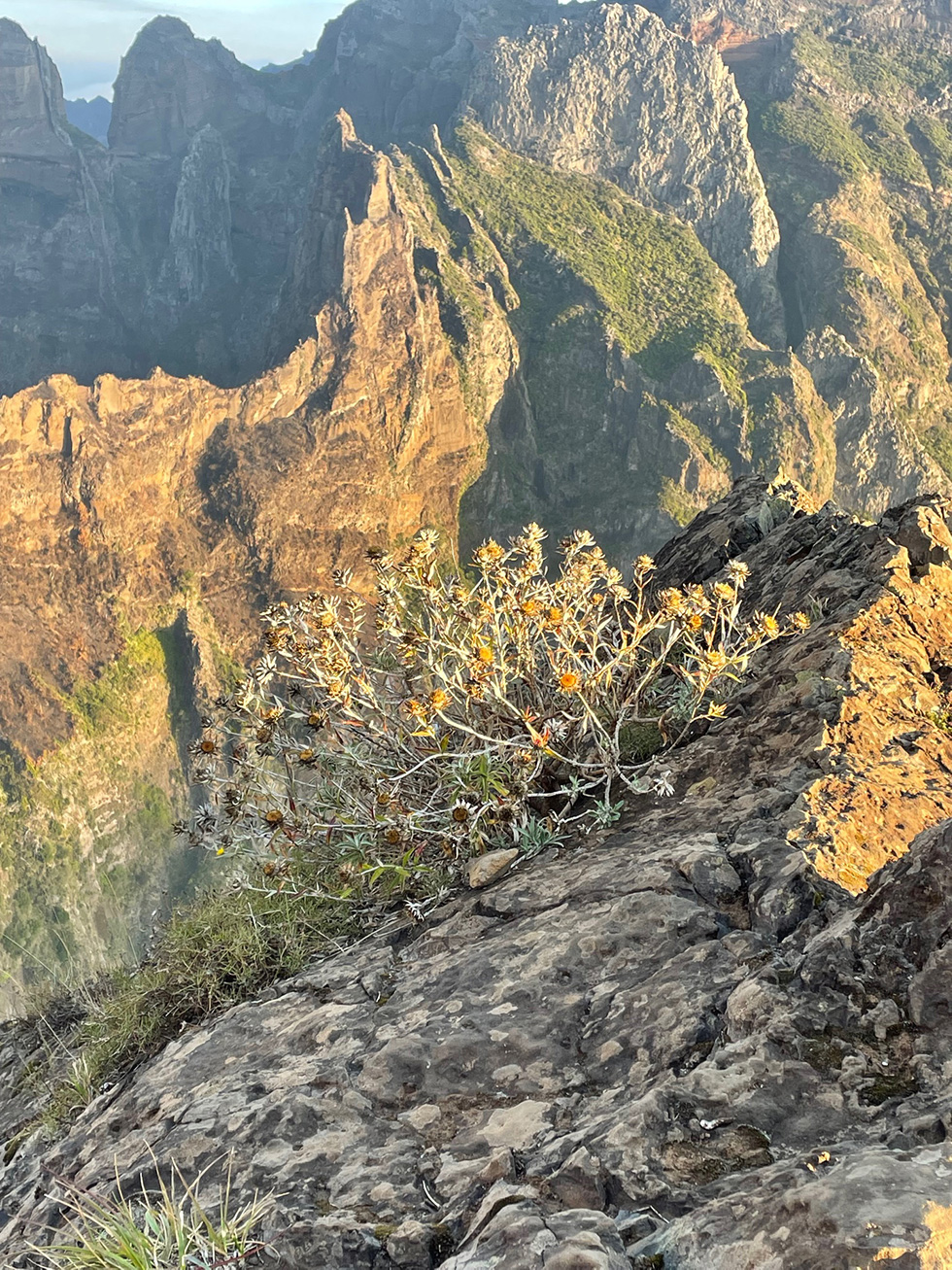
Oceanic islands contribute disproportionately to global biodiversity and contain many endemic species carrying unique evolutionary and functional adaptations that reflect life in isolation (Schrader et al. 2024 ). For instance, islands that are part of the European Union contribute significantly to the biodiversity of the EU and are thus essential for reaching European and global biodiversity targets.
To give an example, the Canary Islands, representing only 1.5% of Spain’s land area, are home to 50% of its endemic species (Petit and Prudent 2010 ). Regrettably, islands are also epicenters of biodiversity change, particularly vulnerable to anthropogenic disturbances such as the introduction of non-native species, habitat loss, and climate change (Harter et al. 2015 , Fernández-Palacios et al. 2021 , Dawson et al. 2017 , Bellard et al. 2017 ). Islands contain the majority of documented species extinctions and threatened species (Fernández-Palacios et al. 2021 ).
Because of their biological uniqueness and high vulnerability, powerful monitoring tools are needed to inform conservation and restoration initiatives, ecosystem managers, policy-makers, and other stakeholders about the status and trends of biodiversity.